


One important lesson from my 30th year—and from my 2025 professional growth and development—is that silence does not build opportunities. Visibility does.
Building Character Before Chasing Skills
Spending almost eight years working in the Philippine Government—specifically within a Local Government Unit—gave me a perspective that no textbook could offer. I served six years as a permanent employee and two years as a contract of service. In those years, I learned that while entry-level roles demand technical skills, what truly sustains a career is character and attitude.
Skills can be taught, refined, and upgraded. Character, however, is harder to shape. Work ethic, integrity, accountability, and how you treat people under pressure matter more in the long run than how good you are at a specific tool or system. Early in my career, I saw people with impressive skills struggle because of poor attitude, and others with average skills rise because they were reliable and grounded.
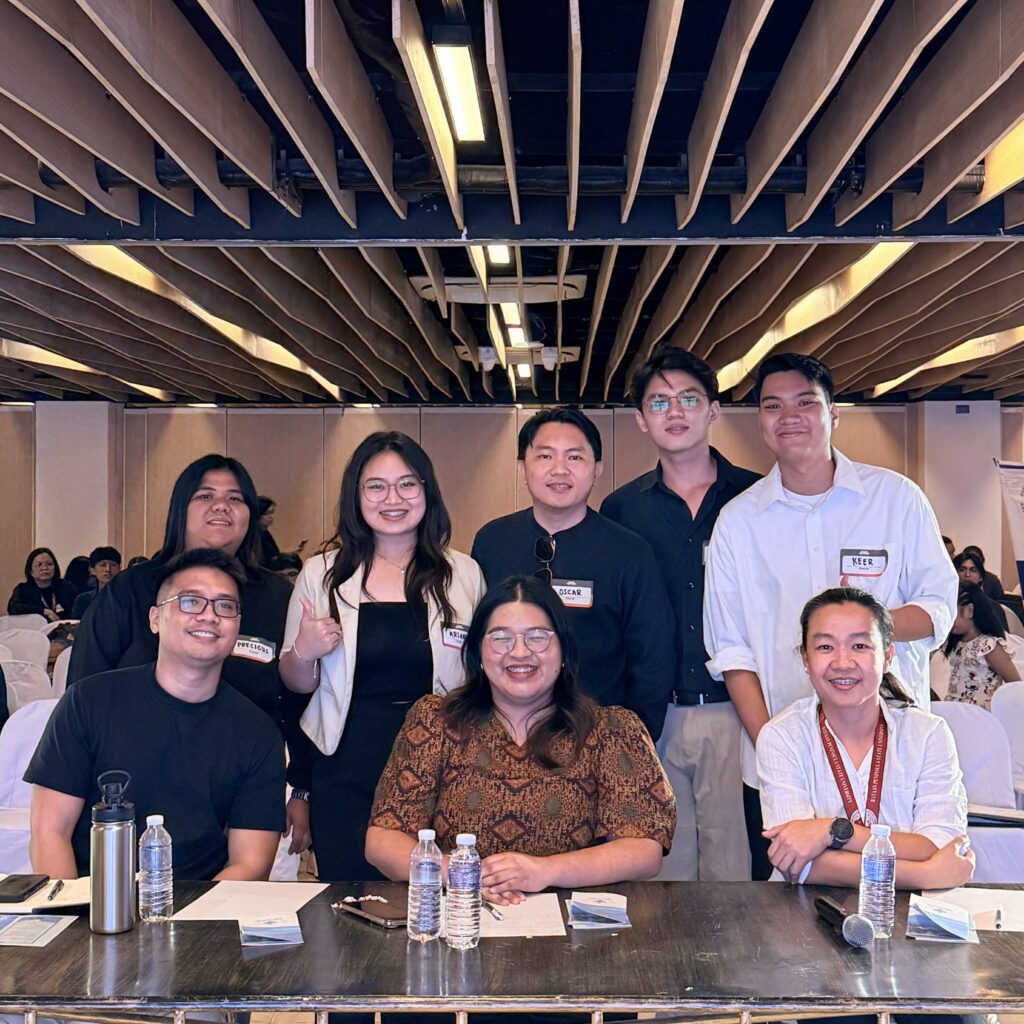
This realization shaped how I approached my 20s. While still young, I invested heavily in learning—knowing that time and energy were on my side.
Investing in Yourself While You’re Young
During my early years in the LGU, I pursued a master’s degree in Engineering Management through a scholarship, joined various trainings and seminars, and exposed myself to both technical and managerial environments. I also became active in professional organizations and communities. These experiences expanded my thinking beyond my job description.
Later, when I stepped into a leadership role and headed an ICT division, these investments paid off. I was able to lead teams, build partnerships with different organizations, and deliver results that were visible and measurable. We publicly shared accomplishments—not to boast, but to document impact.
I’ll be honest: visibility attracts mixed reactions. Envy is real. But I learned that showcasing your work is not about pleasing everyone; it’s about building a credible portfolio. Public documentation of achievements shows what you can do, what you’ve built, and how you think.
One important lesson from my 30th year—and from my 2025 professional growth and development—is that silence does not build opportunities. Visibility does.
Career Reality, Transitions, and Long-Term Vision
For those in their early 20s, my advice is simple: start building skills as early as possible. If you can build a portfolio while still in college, do it. Between 26 and 30, start showcasing your work publicly. Post on LinkedIn, collaborate with others, join meetups, and introduce yourself. Let your work speak where you are not present.
There is also no such thing as a truly permanent job. Job hopping is real—and sometimes necessary. Switching roles every three years can accelerate growth, unless you are in a company with a healthy culture and strong learning environment, where staying longer makes sense.
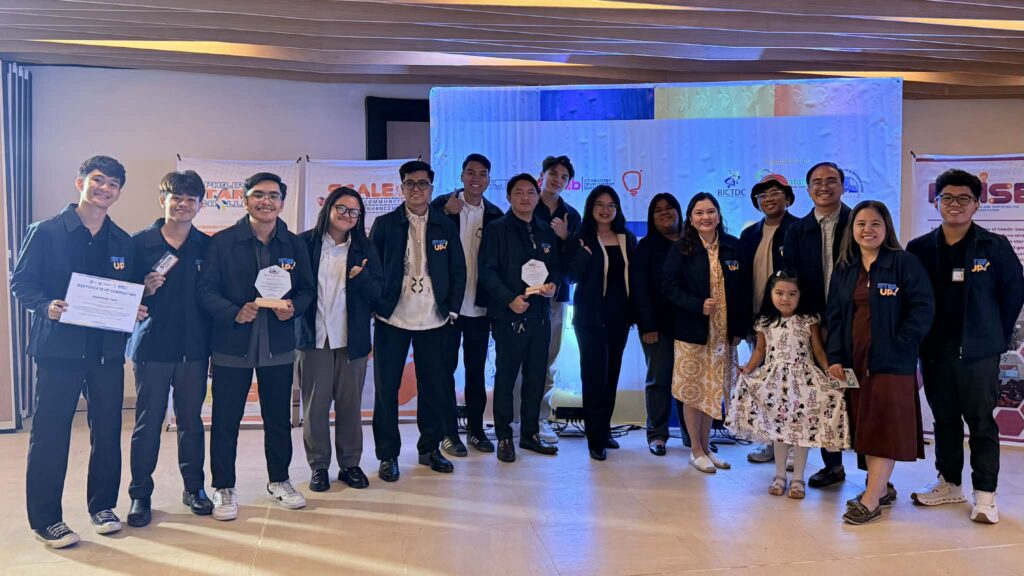
Today, I find myself in a different chapter—working in a private company as a project manager. It is a smaller workplace, with a leaner team, but one that offers depth in experience. The scale may be smaller, but the responsibility is heavier, and the learning is more intentional. I am now actively developing my project management skills—handling timelines, expectations, communication, and accountability—skills that I know will significantly shape my growth this coming 2026.
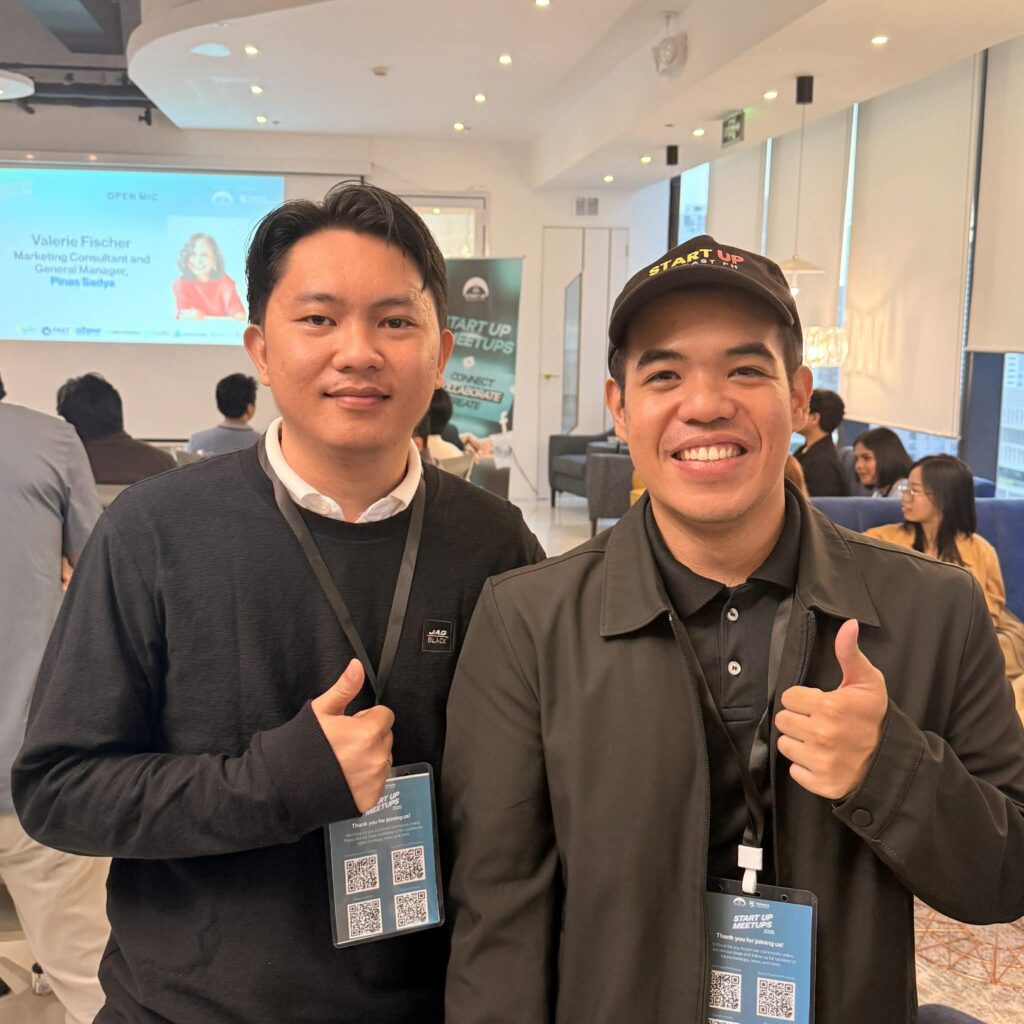
This role pushes me to strengthen my communication and people management, while maintaining just enough technical understanding to lead effectively. It also opens doors to more travel, exposure to different environments, and interactions with diverse personalities and stakeholders—clients, teams, and decision-makers alike. These experiences sharpen not just professional competence, but emotional intelligence.
Looking ahead, my focus between 30 and 35 is clear: build financial stability, strengthen networks, and create options. My personal goal is to retire before 40—not to stop working, but to work by choice.
As 2026 approaches, I plan to pursue what I paused: my podcast episodes and possibly building a startup. I’m deeply grateful for the opportunities I’ve had, including startup trainings and seminars through DICT. The journey continues—with clearer direction, stronger intent, and gratitude for every lesson learned.